Your programme is exceptional. The right people just cannot find it.
DIGIPR builds sustained digital visibility for performing arts organisations, competitions and cultural institutions — so that audiences, applicants, partners and funders find accurate, credible information when they look.
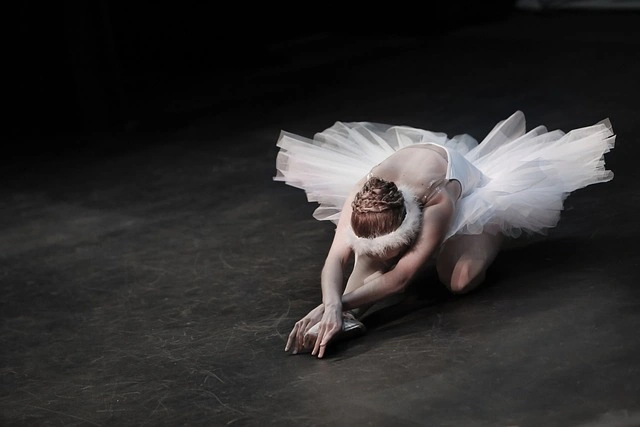
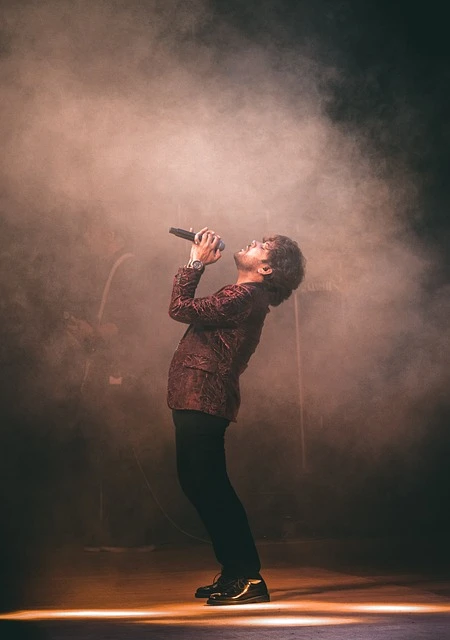
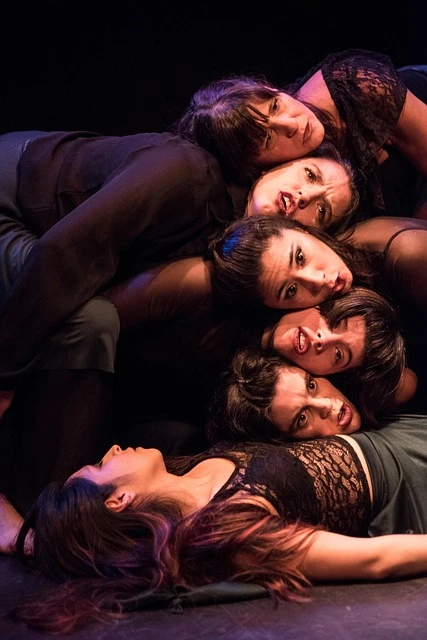
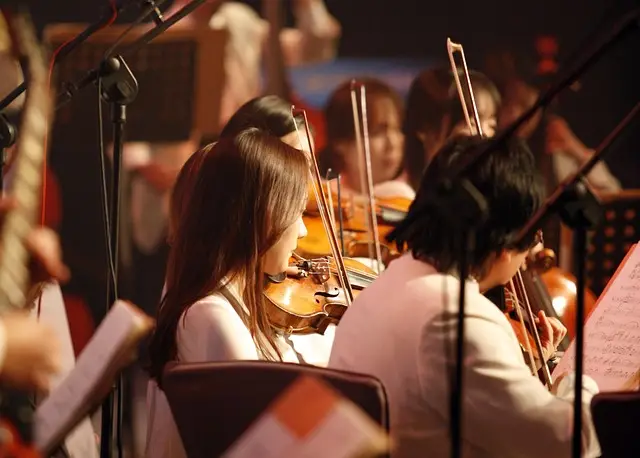
Digital PR
Cultural organisations are assessed online before they are experienced in person.
A festival director researching a potential partner. A foundation evaluating a grant applicant. A young singer deciding which competition to enter. An international jury member verifying an institution’s standing.
In each case, the first step is the same: they search.
What they find, and how it is presented, shapes the decision before any conversation takes place.
Most performing arts organisations have invested heavily in what they do. Very few have invested in how they are found, understood and verified online. The result is a visibility gap between institutional quality and digital presence.
DIGIPR exists to close that gap.
The model
The DIGIPR Model
The DIGIPR Model describes how cultural visibility is built, sustained and evaluated in digital environments.
Context & Positioning
We clarify what must be understood and found online.
Publication & Authority Building
Editorial placement in trusted cultural media environments.
Continuity & Measurement
Continuity ensures that visibility accumulates over time rather than fragmenting into isolated announcements. Measurement focuses on institutional signals such as reach, relevance, and long-term discoverability, not short-term marketing metrics.
The model is designed to produce:
- international discoverability
- editorial credibility
- sustained cultural visibility
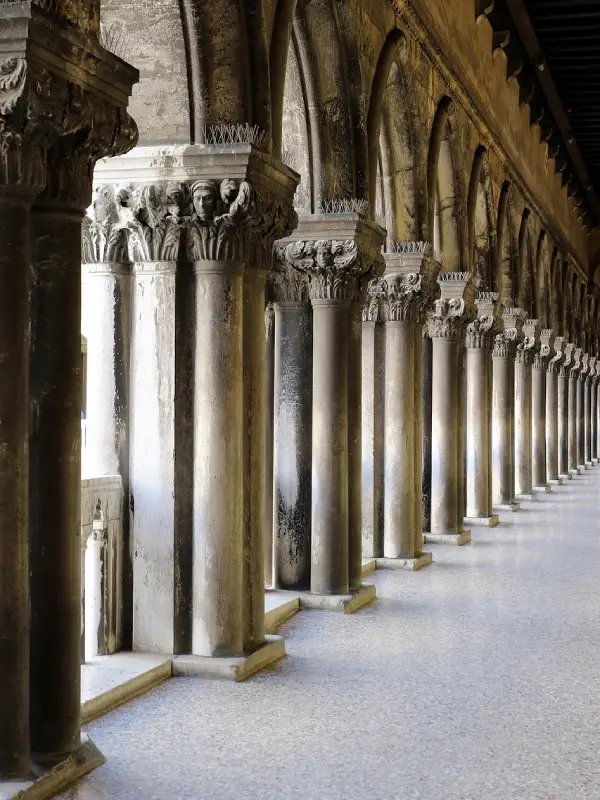

EDITORIAL CONTEXT
Where cultural visibility develops
In the performing arts, digital visibility develops within specialised
publications, professional journals and institutional platforms.
Organisations are discovered, referenced and evaluated through these
environments over time, not through isolated publicity moments.
Examples of relevant environments include:
specialised performing arts publications
professional cultural journals
international competition platforms
festival and institutional media channels
our services
Scope of Work
DIGIPR delivers a limited number of clearly defined services.
Each has a specific role in building long-term digital visibility,
authority and continuity for cultural organisations.
Digital PR
We plan and place editorially relevant publications in trusted digital environments.
The objective is not short-term exposure, but durable public presence that remains accessible and credible over time.
Authority & Discoverability
We strengthen how organisations are found, referenced and assessed online.
This includes building coherent digital signals that support institutional credibility across search, media and professional contexts.
Publication Momentum
When appropriate, we support digital PR through restrained and well-targeted social media activity.
Social channels are used to extend relevance and continuity, never as attention-driven promotion.
Measurement & Reporting
We provide clear, non-technical reporting designed for leadership, boards and stakeholders.
Results are presented as concise summaries: publications, reach, traffic patterns and long-term visibility indicators.
Practice Experience
Examples of visibility impact
The work reflects experience across cultural productions, international programmes and
performing arts organisations developed over many years prior to the formation of DIGIPR.
What organisations typically value
Clarity for stakeholders
Credibility across digital environments
Measurable continuity beyond campaigns
+42% attendance
cultural festival
+28% ROI
international B2C, 12 months
~+45% ticket sales
3-day tournament, 2 seasons